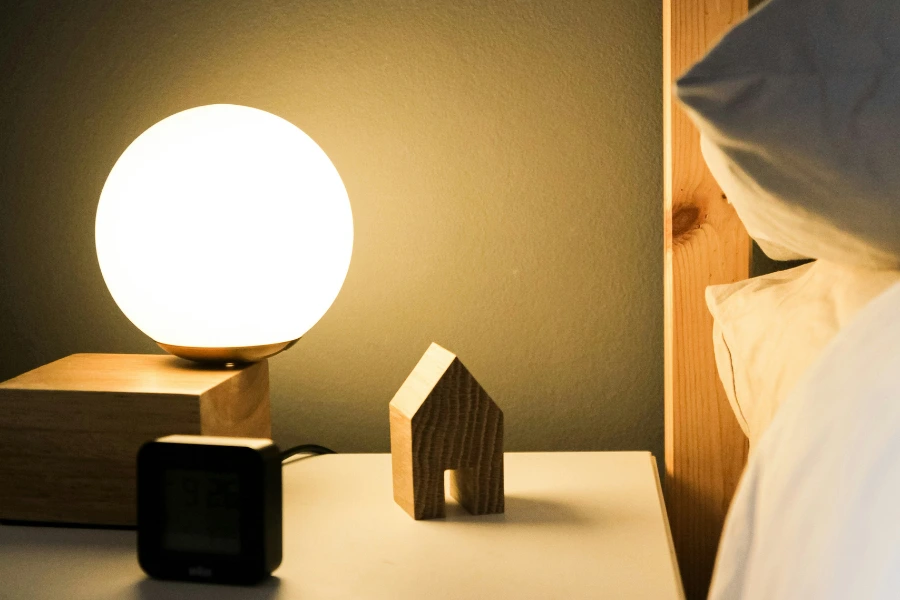
Sleep has become one of the biggest wellness obsessions of the last few years, and “sleepmaxxing” is the latest name for that trend. The word refers to the idea of maximising sleep quality through a stack of habits, devices, and routines that are meant to improve rest. For some people, that means a structured bedtime routine. For others, it means cooling the bedroom, wearing a sleep tracker, limiting screens, or using supplements such as melatonin (see Our Good Life on sleepmaxxing and CNN on sleepmaxxing pros and cons).
What makes sleepmaxxing so appealing is that it taps into a very real problem. Many people feel tired, overstimulated, or unable to switch off at night. In a world full of work alerts, scrolling, and irregular schedules, sleep often feels harder to protect than it used to. That is why sleepmaxxing content performs so well: it promises a sense of control over something that affects mood, memory, stress, and daily performance.
The trend also reflects a shift in wellness language. Instead of saying “I’m trying to sleep better,” people now talk about protocols, stacks, optimisation, and recovery. That language can make sleep feel more measurable and intentional, but it can also make the process feel overly complicated. In practice, the most useful sleep changes are often the simplest ones: a regular wake time, less light exposure before bed, a cooler room, and a wind-down routine that is realistic enough to maintain.
Melatonin is one of the most common sleepmaxxing search terms, and it is often mentioned because it is a well-known sleep supplement. Melatonin is a hormone involved in the body’s sleep-wake rhythm, and it can be helpful in some situations, especially when circadian timing is disrupted. But it is not a universal fix, and it is not something everyone needs. Coverage of the trend has noted that sleepmaxxing often includes melatonin, but also warns that more is not always better (CNN notes melatonin and magnesium are common in sleepmaxxing). Harvard Health has also noted that the trend can become more hype than substance when it turns into an elaborate optimisation project rather than a sustainable sleep routine (Harvard Health on sleepmaxxing).
The challenge with sleepmaxxing is that it can turn rest into another performance metric. That is the opposite of what most people need. Sleep is not a game to win. It is a biological process that works best when the body feels safe, consistent, and unforced. A dark room, a steady schedule, and fewer late-night stimulants will usually do more than a complicated stack of products.
That does not mean sleepmaxxing is all bad. For some people, the trend is a useful doorway into better habits. A wearable tracker may help someone notice patterns. A better pillow may improve comfort. Magnesium or melatonin may be useful in some specific situations when used appropriately. But the key is to treat these as optional tools, not a universal requirement. The foundation still matters most.
FAQ
What does sleepmaxxing mean?
Sleepmaxxing means trying to optimise sleep with routines, tools, and habits designed to improve rest and recovery.
Why is melatonin often mentioned with sleepmaxxing?
Because it is one of the most commonly discussed sleep supplements and is often used by people trying to improve sleep timing.
Is sleepmaxxing healthy?
It can be helpful if it encourages better habits, but it can also become overly complicated or stressful.
Do you need supplements to sleep better?
Not always. Many people benefit more from consistent sleep routines, less screen time, and a calming bedtime environment.
Continue the conversation
Curious about emerging approaches to health? Book a free discovery call to learn more about Astrid Clinic and the emerging therapies space.
Written by: The Astrid Clinic Editorial Team
Clinically reviewed by: Nurse Liv
Published: June 2026