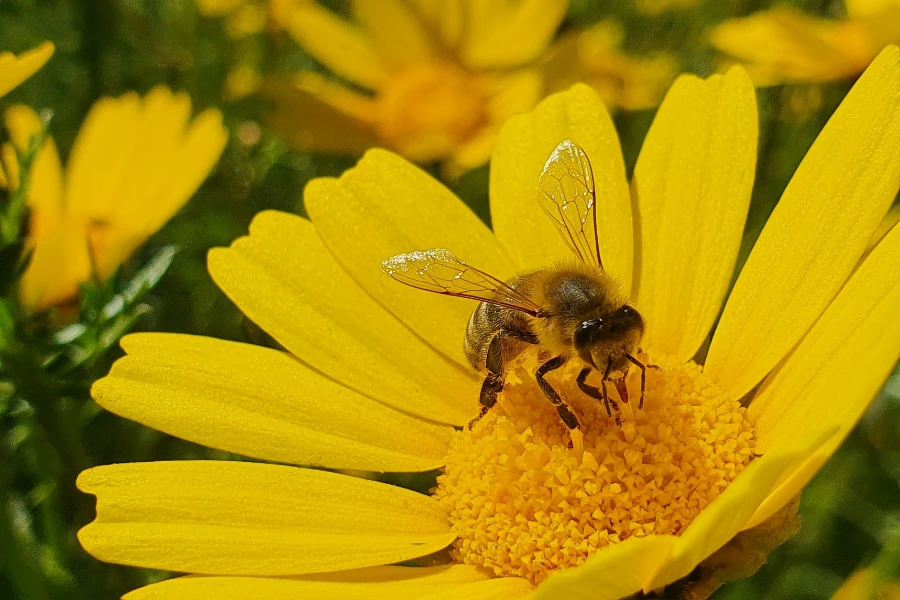
Bee pollen has become a familiar name in wellness circles. It is often described as a superfood, a natural energy booster, or even a remedy for allergies. That popularity comes from its nutritional profile and its long history in natural health conversations, but the evidence behind many of the claims is much thinner than the marketing suggests (PMC on bee pollen clinical trials; Cleveland Clinic on bee pollen benefits).
Bee pollen is made up of flower pollen, nectar, enzymes, and other compounds collected by bees. Because it contains proteins, amino acids, lipids, vitamins, minerals, and polyphenols, it is easy to understand why it is marketed as a nutrient-dense supplement (PMC on bee pollen composition). The problem is that “contains nutrients” is not the same as “proven to improve health outcomes.” A food or supplement can look impressive on paper without having strong clinical evidence behind specific claims.
One of the most common claims about bee pollen is that it may help with seasonal allergies. This idea is appealing because it sounds logical: if pollen causes symptoms, maybe small amounts of pollen could build tolerance. But the research does not support that idea clearly. Reviews note that there is no firm scientific evidence that bee pollen can relieve or eliminate allergy symptoms, and in some cases it may actually trigger allergic reactions rather than help them (Healthline on bee pollen and allergies; Cleveland Clinic on bee pollen risks).
That risk matters. Bee pollen can cause allergic reactions, especially in people who already react to pollen or bee products. Symptoms can range from itching, rash, and wheezing to more serious reactions in sensitive individuals (University of Iowa Health on bee pollen; Cleveland Clinic on bee pollen allergic reactions). That is why bee pollen is one of those wellness products that should be approached carefully rather than casually.
FAQ
What is bee pollen?
Bee pollen is a mixture of flower pollen, nectar, enzymes, and other plant compounds collected by bees.
What are the claimed benefits of bee pollen?
It is often promoted for energy, immune support, allergies, and general wellbeing.
Is bee pollen scientifically proven to work?
Not for most of the claims made about it. The evidence is limited, especially in humans.
Can bee pollen cause allergic reactions?
Yes. People with pollen or bee allergies may react to it, sometimes seriously.
Continue the conversation
Curious about emerging approaches to health? Book a free discovery call to learn more about Astrid Clinic and the emerging therapies space.
Written by: The Astrid Clinic Editorial Team
Clinically reviewed by: Nurse Liv
Published: July 2026